Pizza Toppings That Work in a 60-Second Bake
Why wet, overloaded toppings fail at 450°C and what survives a 60-second bake - cheeses, cured meats, prep tricks and classic combos for UK ovens.
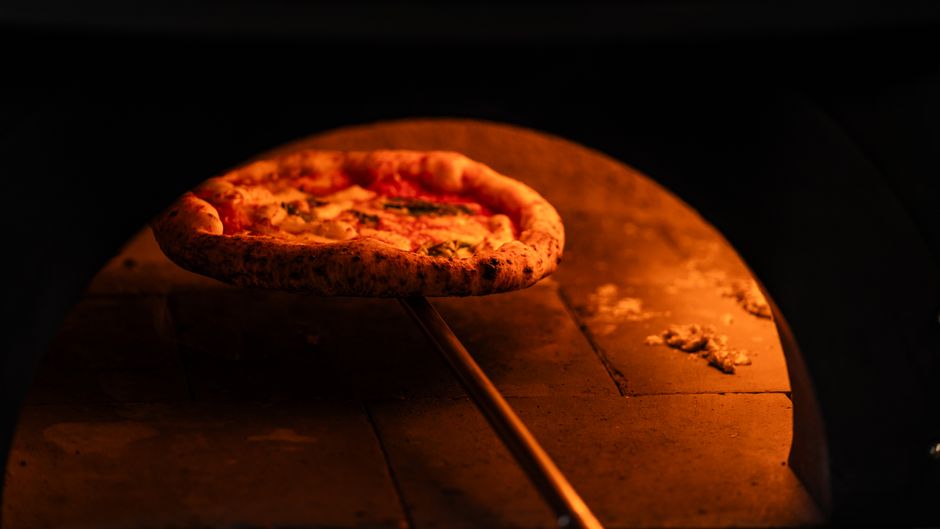
A garden pizza oven running at 450°C bakes a pizza in 60 to 90 seconds, and that number changes everything you learned from supermarket pizzas and fan ovens. A domestic oven gives toppings 12 minutes to dry out, brown and cook through. A pizza oven gives them one. Toppings that shrug off a slow bake - a thick bed of grated cheddar, half a jar of passata, a handful of raw peppers - come out of a fast bake as a grey, wet slick on a scorched crust. This guide covers what survives the heat, what needs prep first, and the combinations that work with ingredients from any UK supermarket.
Why does supermarket-pizza logic fail at 450°C?
A frozen or supermarket chilled pizza is engineered for a 200°C fan oven and a 10 to 14 minute bake. That long, dry heat evaporates moisture steadily, so the recipe can afford wet sauce, generous cheese and raw vegetables - the bake itself does the drying. Traditional Neapolitan pizza (the style codified in the EU-protected Neapolitan pizza tradition) went the other way: a blistering 430 to 480°C floor, a 60 to 90 second bake, and a topping list you can count on one hand.
In that minute, three things happen at once. The base chars and puffs, the cheese melts, and the surface of the sauce concentrates. What does not happen is evaporation in any meaningful quantity. Water that goes into the oven on your toppings comes out of the oven still on your pizza, except now it is hot, mobile, and sitting on a crust you worked hard to keep crisp. That is the single principle behind every rule in this guide: at 450°C you are not cooking toppings, you are heating them. Anything that needs actual cooking - raw meat, dense vegetables - must be cooked before it goes on. Anything holding water must lose that water first.
Which cheeses survive the bake?
Fior di latte (fresh cow's-milk mozzarella, the standard pizzeria choice) is the benchmark, but it is sold sitting in brine and carries a lot of water. Drain it at least an hour ahead: tear or slice it, spread it on kitchen paper in the fridge, and pat it dry before it goes on. Skipping this step is the number-one cause of the milky puddle in the middle of a home Neapolitan pizza.
Low-moisture mozzarella - the firm block or pre-grated style on every UK supermarket shelf - is more forgiving. It browns faster and tastes saltier, but it will not flood the base, which makes it the sensible choice for your first few bakes. Many pizzerias blend the two for exactly that reason.
Hard cheeses behave differently. Parmesan and pecorino scorch and turn bitter in direct 450°C heat, so grate them over the pizza after the bake, where the residual heat wakes them up without burning them. Gorgonzola, taleggio and other soft blues melt fast and work well in small torn pieces, but treat them as a seasoning rather than a covering. Cheddar is the one to avoid: it splits into grease at pizza-oven temperatures.
What needs pre-cooking before it goes on?
Sixty seconds cannot take raw meat to a safe internal temperature. The Food Standards Agency's guidance on cooking food safely is built around meat reaching 70°C right through, and a fast bake only reliably heats the surface. So the rule is absolute: sausage, chicken, bacon and mince are always cooked first, then finished on the pizza.
The good news is that pre-cooking is a flavour upgrade, not a chore. Squeeze sausagemeat out of its casing into a dry frying pan, brown it in rough nuggets, and it goes onto the pizza with caramelised edges the oven alone could never give it. Chicken works best roasted or pan-fried, torn, and dressed with a little oil so it does not dry out in the flame. Bacon and pancetta render in a pan first; raw rashers laid on a fast pizza come out flabby and pale.
Some vegetables need the same treatment for texture rather than safety. Mushrooms are mostly water - saute them dry first or they will steam the crust beneath them. Red onion is fine raw if sliced paper thin, but dense vegetables like potato or squash must be par-cooked. Jarred and antipasti ingredients - roasted peppers, artichokes, olives, sun-dried tomatoes - are already cooked and drained, which is why they are quietly the best friends a pizza oven owner has.
How do you stop wet toppings sinking the base?
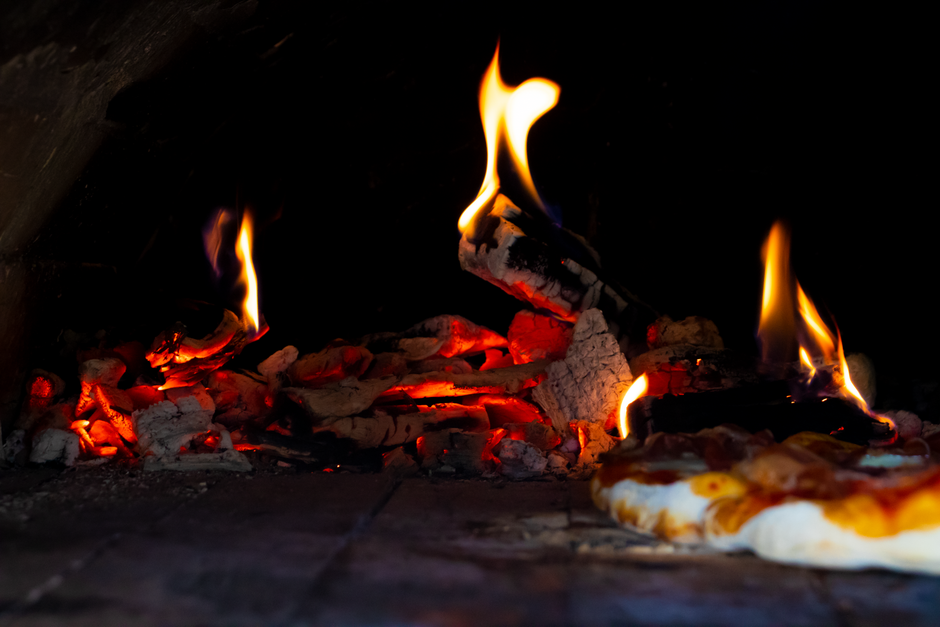
Moisture management starts with the sauce. A Neapolitan-style sauce is nothing more than good tinned tomatoes - San Marzano (an Italian plum-tomato variety grown for low seed count and thick flesh) or any decent plum tomato - crushed by hand with salt. It is deliberately not reduced, so the quantity matters: three tablespoons spread thin, stopping well short of the rim. If you can see white dough through streaks of red, you have it right. A ladleful wall-to-wall is the fast track to the dreaded soggy centre, and if you are already fighting that problem, our pizza oven troubleshooting guide covers the rescue in detail.
Then weigh your restraint. A classic margherita carries roughly 80 to 100g of cheese and three tablespoons of sauce on a 250g dough ball - that is the whole pizza. Every extra topping displaces heat that the base needs, shades the sauce from the flame, and adds water. Two toppings beyond cheese is a sensible ceiling; one is usually better. A pizza with pre-cooked sausage and nothing else will beat a pizza with sausage, peppers, mushrooms and sweetcorn every single time, because each of those slices arrives at the same 60-second deadline.
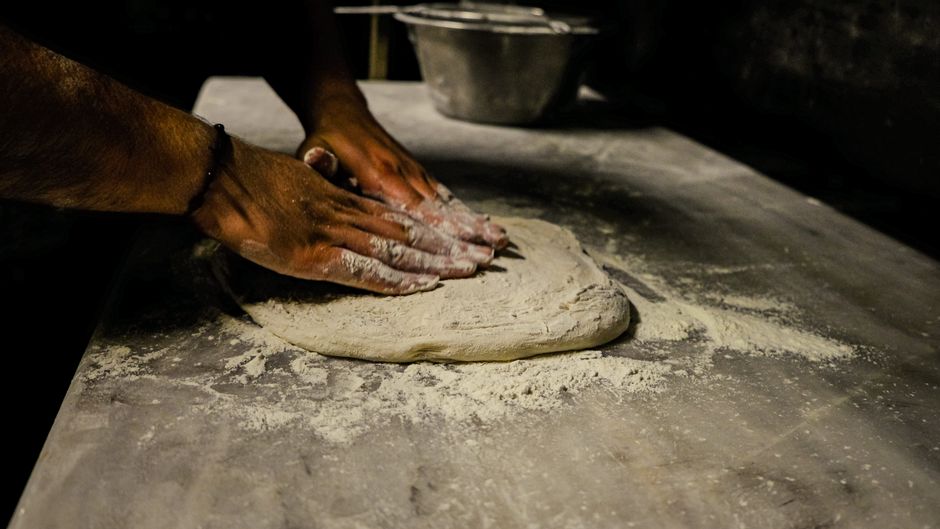
The dough side of the equation matters just as much - a properly fermented, well-shaped base tolerates far more than a dense one. Our beginner Neapolitan dough recipe and the dough calculator get that half right.
Classic combos from a UK supermarket shop
Every combination below uses ingredients stocked by mainstream UK supermarkets, and every one respects the 60-second rules above.
- Margherita: crushed plum tomatoes, drained fior di latte, basil, olive oil. Basil can go on before the bake (it chars pleasantly under the leaves' own moisture) or after for a brighter hit.
- Sausage and fennel: browned sausagemeat nuggets, low-moisture mozzarella, a pinch of fennel seed, post-bake parmesan.
- 'Nduja and honey: 'nduja (a spreadable, spicy Calabrian sausage now common on UK deli aisles) dropped on in teaspoon blobs, fior di latte, and a thin zig-zag of honey after the bake. The heat-and-sweet contrast has become a modern classic.
- Bianca with mushroom: no tomato at all - a garlic-oil base, sauteed mushrooms, taleggio or mozzarella, thyme. White pizzas are the most forgiving style for beginners because sauce moisture is out of the picture.
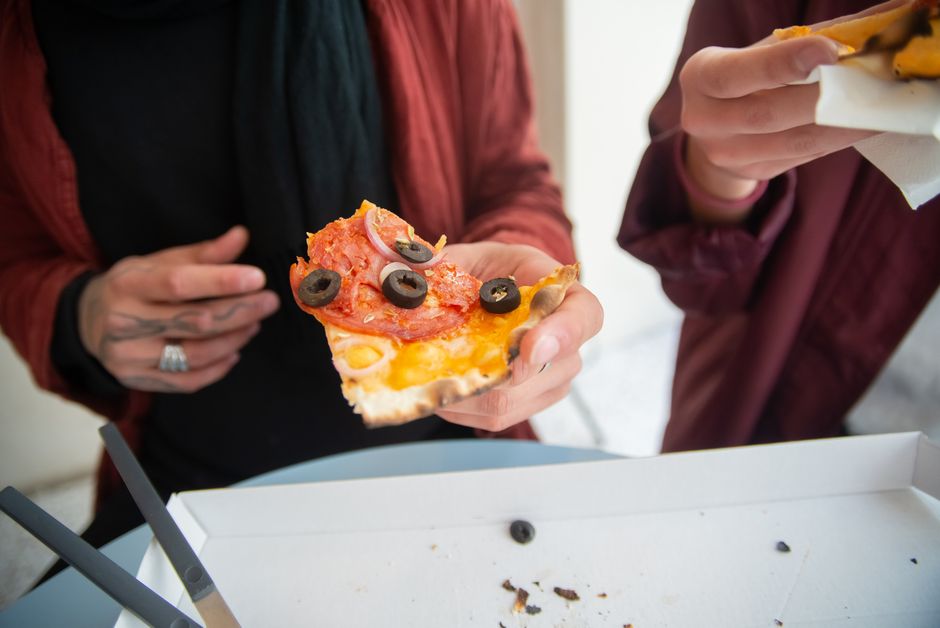
- Pepperoni that cups: thin-cut pepperoni straight from the pack, low-moisture mozzarella, a few slices of fresh chilli if you like heat. Thin cures crisp and cup beautifully in the flame with zero prep.
If you grow your own toppings, the trio that earns its space in a UK garden is basil, cherry tomatoes and chillies - all three thrive in pots, and Balcony Grower covers growing each of them in small spaces.
What should go on after the bake, not before?
A whole class of ingredients is at its best having never seen the inside of the oven. Prosciutto and other delicate cured hams turn to salty cardboard in the flame; drape them over the hot pizza the moment it lands and they soften into it instead. Rocket, soft herbs and lemon zest belong on top of the finished pizza, where the residual heat releases their aroma without wilting them to nothing. Burrata is a post-bake ingredient by definition - tear it over the centre and let it slump. The same goes for finishing flourishes: extra-virgin olive oil, hot honey, balsamic glaze and grated hard cheeses all read as fresh and vivid added after, and as burnt or greasy added before.
A useful way to plan any pizza is to sort its ingredients into three lists: cooked before (sausage, chicken, mushrooms), baked on (sauce, mozzarella, cures, hardy vegetables), and added after (delicate meats, leaves, oils, hard cheese). If an ingredient does not obviously belong to one list, it usually belongs to the last one.
The 60-second rules
Heat, don't cook
Anything that needs real cooking - raw meat, dense veg - is cooked before it goes on.
Drain everything
Fresh mozzarella drains for an hour; jarred ingredients get blotted; wet marks on kitchen paper mean a wet pizza.
Sauce thin
Three tablespoons, spread to a visible streak, stopping short of the rim.
Two toppings, maximum
Beyond sauce and cheese, every addition costs crispness. One great topping beats four average ones.
Finish after the flame
Prosciutto, rocket, burrata, hard cheese and oils go on the pizza, not in the oven.
Frequently asked questions
Can you put raw chicken on a pizza in a pizza oven?
Do you cook pepperoni or salami before putting it on?
Can you use normal supermarket mozzarella?
Why do my toppings burn before the base is cooked?
How many toppings should a Neapolitan-style pizza have?
Neapolitan Pizza Dough for Beginners
Pizza Oven Troubleshooting: Soggy Base, Burnt Top
Pizza Dough Calculator