How to Use a Pizza Steel in Your Home Oven
A pizza steel is the closest a home oven gets to a real pizza oven. Why steel beats stone at 250C, the grill trick, and honest expectations.
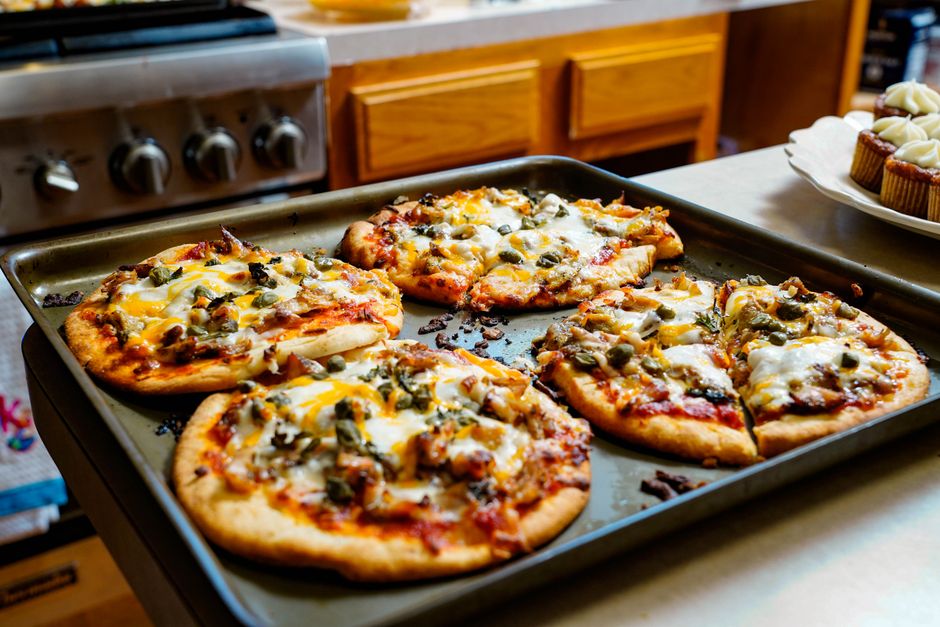
A pizza steel turns an ordinary home oven into a genuinely capable pizza cooker, and winter is exactly when that matters. Once it is dark at five and sleeting sideways, standing over an outdoor oven loses its appeal - but a slab of steel on the top shelf of the kitchen oven keeps pizza night running until spring. This guide covers why steel outperforms stone at domestic temperatures, the grill-plus-steel technique that gets the most out of it, and what results you can honestly expect.
Why does steel beat stone in a home oven?
The case for steel is conductivity. Carbon steel conducts heat at roughly 45 W/m·K, while cordierite (the ceramic mineral most pizza stones are made from) manages around 3 W/m·K - see the reference values on Wikipedia's thermal conductivity page. In practice that means a steel at 250°C pours heat into the base of a pizza more than ten times faster than a stone sitting at the same temperature.
That difference is largely irrelevant inside a real pizza oven. At 450°C, even a slow conductor delivers heat quickly enough, and the dome's radiant heat does most of the work on top. At domestic temperatures the physics flips: conduction from below is the main engine you have, so the speed of that transfer decides whether your base crisps in five minutes or steams in nine. This is why the steel-versus-stone question has a different answer depending on which oven you own.
Steel also stores roughly twice as much heat per unit volume as ceramic, so it recovers faster between pizzas. Launch a cold, wet disc of dough onto a stone and its surface temperature plunges; a steel shrugs the same launch off and is ready again sooner.
How hot does a home oven actually get?
Most UK domestic ovens top out between 240°C and 275°C. A dedicated pizza oven runs 400-500°C, and classic Neapolitan (the Naples style baked in 60-90 seconds at 430-480°C) simply does not happen below that range. No accessory changes this - anyone selling a "Neapolitan at home" result from a 250°C oven is overpromising.
What a steel does unlock is excellent New York-style and Roman-style pizza: a 5-6 minute bake with a crisp, well-coloured base, an open crumb at the rim, and enough time in the oven for the top to catch up with the bottom. Those styles were developed in deck ovens running 280-330°C, which is close enough to a domestic oven with a steel to be honest territory rather than imitation.
Your dough should match the bake. A slightly lower hydration than Neapolitan, a touch of oil and sugar in the mix, and a long cold ferment all suit the 250°C timeline - our cold-proofing guide covers the fridge schedule, and the Neapolitan dough guide explains the base recipe you can adapt from.
The grill-plus-steel technique
Position the steel high
Put the steel on a shelf in the top third of the oven, about 10-15 cm below the grill element. High placement lets the steel soak up radiant heat from the grill and puts the pizza top close to the browning element.
Preheat for 45 minutes at maximum
Set the oven to its highest conventional setting (usually 250-275°C, fan on if you have it) and give the steel a full 45 minutes. The oven's air hits temperature in 15 minutes; the steel itself needs the rest. A steel launched onto early bakes pale, dense pizza.
Launch the pizza onto the steel
Build the pizza on a floured peel or an upturned floured baking sheet, then slide it directly onto the steel. Work quickly with the door open as briefly as possible - every second open costs oven temperature.
Bake 4-5 minutes on conventional heat
Leave the oven in its normal mode for the first phase. The base sets and crisps against the steel while the crumb opens up. Resist opening the door before the four-minute mark.
Switch to the grill for the final 1-2 minutes
Flip the oven to its grill setting for the last stretch. The direct top heat colours the cornicione and melts the cheese to bubbling without overbaking the base. Watch it constantly - the difference between spotted and scorched is about 30 seconds.
Rest the steel between pizzas
Give the steel 5-10 minutes back under full heat before the next launch, with the grill on to speed recovery. Baking back-to-back on a cooling steel is the most common reason a second pizza disappoints.
What results can you realistically expect?
Done well, steel-baked pizza in a home oven is properly good: a base with real crunch and leopard-spotting underneath, a rim that rises and colours, and a bake fast enough that the toppings stay lively rather than stewed. Most people who eat it will not ask what oven it came from. Set against a dedicated outdoor oven, the honest differences are a chewier, less blistered crust, less char flavour, and a bake measured in minutes rather than seconds.
This is also the honest answer to "should I buy a pizza oven?" - not yet, if you are still finding out whether pizza night sticks. A steel is the cheapest serious upgrade in outdoor cooking's orbit, it works in January, and it doubles as a griddle and bread surface. If steel-baked pizza becomes a fixture and you want the 60-second bake and the fire, that is the point to read our small-patio oven comparison and the gas versus wood guide. If your bakes are going wrong in the meantime, the troubleshooting guide applies to indoor bakes too.
Steel or stone: which suits your oven?
For a kitchen oven capped at 275°C, steel wins. It bakes faster, recovers faster, and cannot crack - the failure mode that eventually claims most well-used stones, usually the first time a cold stone meets a hot oven or a wet spill. Its drawbacks are weight (a 6 mm steel for a standard oven shelf runs 7-8 kg) and the modest care routine covered below.
A stone still earns its place in two situations. Inside an actual pizza oven running 400°C and up, cordierite's slower transfer is a feature rather than a flaw - a steel at those temperatures scorches the base before the top is done, which is why every dedicated oven ships with stone, not steel. And for long-baked bread like sourdough, a stone's gentler bottom heat browns the base more evenly across a 40-minute bake. Match the surface to the oven, not the other way round.
How do you look after a pizza steel?
A pizza steel is carbon steel, so it rusts if neglected and lasts a lifetime if not. The routine is the same as cast iron. After each session, let it cool in the oven, then scrape any stuck flour or cheese off with a metal spatula or a stiff brush. If it needs washing, use hot water, dry it immediately and thoroughly - never leave it to air-dry - and wipe on the thinnest possible film of a high-smoke-point oil before it goes back in the cupboard or the oven.
Most steels arrive pre-seasoned. If yours develops rust spots, scrub them out with steel wool, wash, dry, oil lightly and bake the steel at 200°C for an hour to re-season. The dark, mottled patina a steel builds over months of use is not dirt; it is seasoning, and it improves both release and rust resistance. Leave it be.
Frequently asked questions
Can I leave the pizza steel in the oven permanently?
What thickness of pizza steel should I buy?
Will a pizza steel damage my oven?
Is a pizza steel or a stone better for bread?
Do I need to season a new pizza steel?
Can I use a pizza steel on a barbecue?
Cold-Proofing Pizza Dough
Neapolitan Pizza Dough for Beginners
Pizza Oven Troubleshooting